


Preventive maintenance works best when it catches trouble early. That sounds simple, but many electrical problems stay hidden until they become expensive, disruptive, or dangerous. A panel may look fine from the outside while a loose connection inside creates heat. A breaker may still work while a stressed lug slowly overheats. A switchboard may keep running even though one section is carrying an unhealthy temperature rise. This is why infrared electrical inspections matter so much.
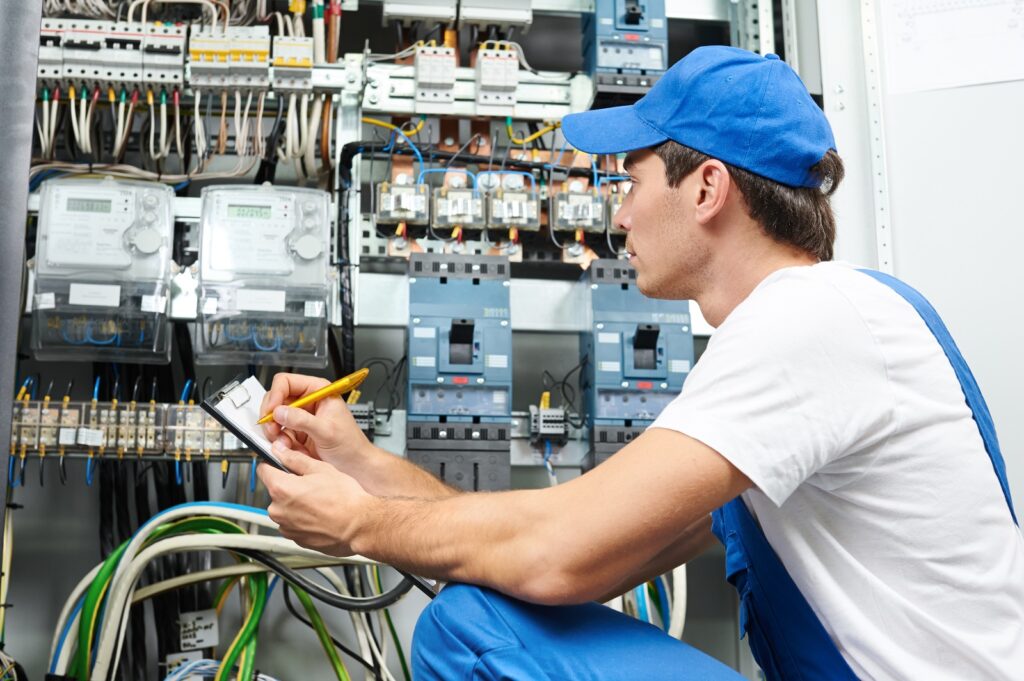
Infrared inspections give electricians a way to see heat patterns that the eye cannot catch during a normal visual check. That heat tells a story. It can point to loose connections, overloaded components, imbalance between phases, failing breakers, worn contacts, and other issues that may lead to equipment damage or power interruptions. For businesses and facilities in Rockville, the DMV area, Largo, and Pinellas County, this type of inspection supports a smarter maintenance plan. Instead of waiting for something to fail, property owners can spot developing issues and correct them before they interrupt operations.
M.R. Electricians use infrared inspections as part of a practical approach to preventive maintenance. The goal is not just to find problems. The goal is to reduce downtime, improve safety, protect equipment, and help buildings operate more reliably year after year.
What an Infrared Electrical Inspection Actually Does
An infrared electrical inspection uses a thermal imaging camera to scan electrical equipment while it is operating under load. The camera detects surface temperature differences and displays them as a heat image. That image helps electricians identify abnormal hot spots that may signal trouble inside the system.
This matters because most electrical failures do not happen without warning. Heat usually builds first. A connection loosens, resistance increases, and temperature rises. A breaker begins to weaken and runs hotter than surrounding components. A panel section carries uneven load and starts showing a different heat pattern than it should. These issues often develop quietly.
A standard visual inspection may not reveal those early signs. Infrared testing adds another layer of insight. It helps electricians inspect switchgear, panels, disconnects, breakers, motor controls, transformers, and other energized components without waiting for a visible breakdown.
Why Heat Is Such an Important Warning Sign
Heat is one of the clearest signs that something is not working as it should in an electrical system. Electricity should move through properly installed and properly tightened connections with minimal resistance. Once resistance rises, heat follows.
That heat can come from several common issues:
- Loose electrical connections
- Overloaded circuits
- Failing breakers
- Unbalanced loads
- Deteriorating contacts
- Corrosion at termination points
- Damaged conductors or insulation
A hot spot does not always mean immediate failure, but it does mean that part of the system deserves attention. Small temperature differences can turn into serious repairs if left unchecked. In preventive maintenance, timing matters. Finding an issue while it is still manageable gives property owners better control over repairs and scheduling.
Why Preventive Maintenance Needs More Than a Visual Check
A visual inspection still has value. Electricians can spot corrosion, labeling issues, improper panel access, damaged insulation, and signs of moisture intrusion. Still, many electrical problems begin where the eye cannot easily detect them.
A panel door may look clean and secure, while a lug inside has started overheating. A disconnect may appear fine while one terminal runs much hotter than the others. A fuse block may remain operational even though heat buildup has already begun to damage surrounding parts.
Preventive maintenance becomes much stronger when it includes infrared scanning because it adds evidence that visual review alone cannot provide. It gives electricians a clearer picture of system condition under real operating conditions. That matters in busy commercial spaces where reliability is tied directly to safety, productivity, and equipment performance.
How Infrared Inspections Help Prevent Downtime
Downtime costs money, creates frustration, and disrupts customer service. In many facilities, even a short outage can affect computers, lighting, HVAC systems, security equipment, refrigeration, or production machinery. One weak electrical connection can create a chain reaction that affects much more than a single breaker or panel.
Infrared inspections help reduce that risk because they identify problems before they become shutdowns. A facility manager can schedule repairs at a practical time instead of reacting to an emergency. Maintenance teams can focus on the exact location of concern instead of spending hours trying to trace the cause of a failure after it happens.
This is one of the biggest reasons infrared inspections belong in preventive maintenance programs. They support planning. Planned repairs are usually easier, safer, and less disruptive than emergency repairs.
Common Problems Found During Infrared Electrical Inspections
Infrared inspections often reveal the kinds of problems that stay hidden until conditions worsen. Electricians may find:
- Overheated breaker connections
- Hot bus bar sections
- Uneven load across panel phases
- High-temperature lugs in switchgear
- Stress at motor control centers
- Heat buildup at disconnect switches
- Failing fuse holders
- Temperature differences between similar components
These findings matter because comparison is part of the process. Electricians look for components that should behave similarly but do not. A single breaker running much hotter than neighboring breakers under similar load raises concern. A connection point with unusual heat compared to another phase may indicate a developing fault. The inspection gives maintenance teams something measurable to investigate and correct.
Why Infrared Testing Supports Equipment Life
Electrical equipment lasts longer when it operates within healthy temperature ranges. Excess heat shortens the life of insulation, stresses breaker components, weakens connections, and increases wear on adjacent parts. That damage builds gradually. A facility may not notice the decline until equipment fails or starts tripping.
Infrared inspections support equipment life by identifying hot spots early. Once electricians correct the cause, the system can return to more stable operating conditions. This protects not only the component showing heat but also the equipment connected to it. Stable electrical performance supports motors, controls, lighting, data systems, and other building infrastructure.
A preventive maintenance program should always aim to get more reliable service life from the equipment already in place. Infrared scanning helps make that possible.
Why Commercial Properties Benefit So Much From This Service
Commercial properties usually carry heavier and more complex electrical loads than homes. Offices rely on computer networks and lighting. Restaurants depend on refrigeration and kitchen equipment. Warehouses use larger mechanical systems and distribution equipment. Retail spaces need dependable panels, HVAC, signage, and point-of-sale systems. Medical and specialty facilities may rely on especially sensitive electrical equipment.
These environments often stay busy for long hours, which means electrical components carry repeated stress day after day. A small issue can quickly grow into a larger operational problem.
Infrared inspections help commercial property owners and managers stay ahead of those issues. They fit naturally into maintenance planning because they provide actionable information without waiting for a failure. This is especially useful in facilities where continuous uptime matters and after-hours emergency repairs create major inconvenience.
How the Inspection Process Usually Works
An infrared electrical inspection should take place while the equipment is energized and under meaningful load. That is important because heat patterns become useful only when the system is actively working. An electrician or qualified technician scans panels and related electrical equipment using a thermal camera, then reviews the images for temperature differences and unusual patterns.
The inspection usually includes:
- Opening accessible electrical equipment safely
- Scanning panels, breakers, disconnects, and switchgear
- Comparing similar components and phase temperatures
- Identifying abnormal hot spots
- Documenting findings with thermal images
- Recommending follow-up repairs or monitoring
The result is not just a picture. It is a maintenance tool. The findings help determine what needs immediate correction, what should be monitored, and what appears stable.
Why Seasonal and Environmental Conditions Matter
Buildings in Rockville, the DMV area, Largo, and Pinellas County face different operating conditions throughout the year. High summer demand can place more stress on HVAC circuits and distribution equipment. Humidity can affect enclosures and connections. Coastal conditions in Florida may increase corrosion risk. Buildings with older infrastructure may respond poorly to heavy seasonal load changes.
Infrared inspections help account for these real-world conditions by checking how equipment performs under actual demand. A panel that seems fine during light load may reveal problems during hotter months or busier operating periods. This makes thermal scanning especially useful as part of ongoing maintenance rather than a one-time response.
Why Documentation Matters in a Preventive Maintenance Program
A strong maintenance program needs records, not guesswork. Infrared inspections provide documentation that helps track equipment condition over time. A thermal report can show where hot spots appeared, how severe they were, and whether repairs corrected the issue later.
This helps property owners and facility teams:
- Prioritize repairs
- Track repeat issues
- Budget for electrical upgrades
- Show maintenance history
- Reduce reactive decision-making
A good preventive maintenance program becomes stronger each time it adds useful data. Infrared inspection reports give teams a clearer maintenance history and make future decisions more informed.
Problems Businesses Commonly Face That Infrared Inspections Help Solve
Businesses in Rockville, the DMV area, Largo, and Pinellas County often deal with electrical issues that develop quietly before becoming disruptive. Infrared inspections help uncover problems such as:
- Random breaker trips during heavier usage
- Hidden heat in aging commercial panels
- Loose lugs inside switchgear
- Uneven phase loading in larger facilities
- Heat stress on HVAC electrical connections
- Corroded or deteriorating terminations
- Equipment shutdowns tied to power quality issues
These are exactly the kinds of issues that preventive maintenance should catch early.
FAQs
What does an infrared electrical inspection look for?
It looks for unusual heat patterns in energized electrical equipment that may point to loose connections, overloads, or failing components.
Why can heat indicate an electrical problem?
Heat often means resistance has increased somewhere in the system, which may signal a loose or stressed electrical connection.
Do infrared inspections help prevent downtime?
Yes. They help identify developing issues early so repairs can happen before equipment fails.
How often should commercial electrical systems receive infrared inspections?
Many commercial properties benefit from routine inspections as part of scheduled preventive maintenance, especially after load changes or expansions.
Can a normal visual inspection replace infrared testing?
No. Visual checks are useful, but infrared testing reveals heat-related issues that may not be visible from the outside.
Protect your facility with smarter preventive maintenance. Call M.R. Electricians at (301) 871-0477 for infrared electrical inspections.